Harold Wood Park end of tenancy cleaning map and tips
If you are getting ready to move out near Harold Wood Park, end of tenancy cleaning can feel strangely huge for what is, on paper, just a clean. One minute you are packing mugs and cables, the next you are staring at skirting boards, oven trays, and that odd little patch by the hallway radiator. This guide to Harold Wood Park end of tenancy cleaning map and tips breaks the job into a simple room-by-room route, explains what matters most to landlords and letting agents, and shows you how to avoid the small mistakes that cost time and deposit money. Truth be told, the difference is often in the details.
Think of it as a practical cleaning map rather than a generic checklist. You will see where to start, what to do first, what can wait, and when it makes sense to bring in specialists for items like carpets, upholstery, or stubborn stains. If you want a deeper look at professional floor care while you plan, the site's carpet cleaning service is a useful place to compare options, and the page on steam carpet cleaning explains a method that often fits move-out deep cleans well.
Table of Contents
- Why Harold Wood Park end of tenancy cleaning map and tips Matters
- How Harold Wood Park end of tenancy cleaning map and tips Works
- Key Benefits and Practical Advantages
- Who This Is For and When It Makes Sense
- Step-by-Step Guidance
- Expert Tips for Better Results
- Common Mistakes to Avoid
- Tools, Resources and Recommendations
- Law, Compliance, Standards, or Best Practice
- Options, Methods, or Comparison Table
- Case Study or Real-World Example
- Practical Checklist
- Conclusion
- Frequently Asked Questions
Why Harold Wood Park end of tenancy cleaning map and tips Matters
End of tenancy cleaning is not just about making a property look presentable for the next viewer. It is about returning the home to the condition expected under the tenancy agreement, allowing for fair wear and tear. Around Harold Wood Park, that often means a mix of family homes, flats, and commuter rentals where landlords want a property handed back clean, fresh, and ready for photos, inventory checks, or immediate reletting.
A good cleaning map matters because move-out cleaning is easy to underdo in the wrong places. People usually focus on what they can see at eye level. But agents and inventory clerks tend to notice the awkward stuff: grease behind appliances, dust on tops of doors, soap residue in shower screens, and crumbs in drawer runners. Small things. Annoying things. Deposit-affecting things.
There is also the reality of time pressure. You may have removals coming, broadband to cancel, key handover to manage, and a final walk-through to survive. A clear route through the property reduces stress and stops you from bouncing around the flat doing half a job in every room. That is where a structured map really helps. Instead of cleaning randomly, you clean in the same sequence every time, and the results are far better.
Another reason this matters is that different surfaces need different methods. A carpet, a rug, a sofa, or curtains each need a different approach. If you scrub everything the same way, you risk damage, patchiness, or lingering smells. If you need specialist help, the site's upholstery cleaning and sofa cleaning pages are worth checking before you start.
How Harold Wood Park end of tenancy cleaning map and tips Works
The idea behind a cleaning map is simple: move through the property in a logical order so dust, dirt, and moisture do not keep getting pushed from one area to another. In practice, that usually means working from top to bottom, then from dry tasks to wet tasks, and finally from the farthest room back to the exit. It sounds almost too tidy, but it works.
A practical end of tenancy cleaning map for Harold Wood Park usually follows this pattern:
- Open windows and ventilate the property.
- Remove loose items, bin waste, and packing debris.
- Dust high points first: shelves, coving, tops of doors, light fittings.
- Clean kitchen and bathroom areas with degreasing and descaling methods.
- Move to living areas and bedrooms: surfaces, skirting boards, switches, wardrobes, windowsills.
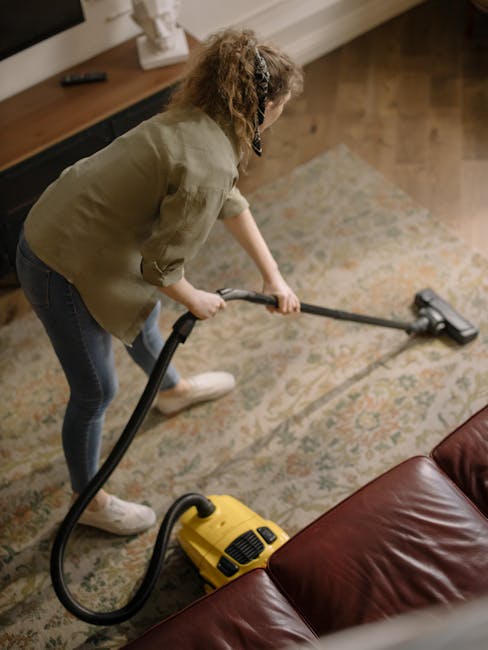
- Finish with floors, carpets, rugs, and upholstery touch-ups.
- Do a final inspection in daylight if possible, because small marks show up better then.
That route matters because once you have vacuumed and mopped, you do not want to drag dust back onto clean floors by wiping down a shelf you forgot. Been there, done that, not worth it.
For some homes, the best approach is a mix of DIY cleaning and targeted professional support. For example, you might clean the kitchen, bathrooms, and internal glass yourself, but book professional curtain cleaning or rug cleaning if fabrics have absorbed odours or daylight dust. The point is not to outsource everything. It is to put effort where it has the highest return.
Key Benefits and Practical Advantages
A good move-out cleaning plan does more than make the property look nice. It gives you control at a time when everything else may feel a little chaotic. If you have ever moved on a Friday afternoon with boxes still open and a kettle packed somewhere mysterious, you will know what that means.
- Better deposit protection: A thorough clean reduces the risk of avoidable cleaning deductions.
- Faster final checks: A systematic property clean makes inspection easier and less awkward.
- Less stress: You spend less time wondering what you have missed.
- More consistent results: A room-by-room route gives a more even finish.
- Cleaner air and fresher presentation: Especially useful where carpets, upholstery, or fabrics hold odours.
- Better handling of specialist surfaces: Glass, limescale, grease, and soft furnishings need different techniques.
There is also a practical benefit that people forget: a properly cleaned property can feel more move-in ready for the next tenant or buyer, which tends to make the handover smoother. And smoother is good. Everyone likes smooth.
If stains are part of the problem, a focused approach helps. The stain removal page can be useful for understanding how to deal with marks before they set permanently, while the pet stain odour removal service is relevant if you have had animals in the home and need to tackle smell as well as visible marks.
Who This Is For and When It Makes Sense
This kind of cleaning map is most useful for tenants preparing to leave a rented home near Harold Wood Park, but it is not only for tenants. Letting agents, landlords, and housemates sharing a final clean can all use it. In real life, the same sort of pressure comes up in slightly different ways.
- Tenants: If you want to leave the property in strong condition and reduce disputes.
- Shared households: Helpful when different people have cleaned different rooms, and no one is quite sure what is done.
- Landlords: Useful for checking what should be covered between tenancies.
- Letting agents: Helpful as a standard reference when advising tenants on expectations.
- Busy movers: Ideal if you have limited time and need a clear order of work.
It makes sense to use this approach if the property has visible wear from normal living: kitchen film, bathroom residue, carpet traffic marks, mattress marks, or pet odours. If the home is already in fairly tidy condition, the same map still helps, but you may only need a lighter version. That is fine. Not every move-out needs a heroic weekend of scrubbing.
For rented homes with carpets throughout, booking a specialist treatment is often sensible. A deep clean of floor coverings can make the rest of the property feel noticeably fresher. If you want to compare professional floor options, see the page on steam carpet cleaning as well as the broader carpet service page.
Step-by-Step Guidance
Here is a practical route you can follow without overthinking it. Keep it simple and do not start with the bathroom mirror if the kitchen extractor is still coated in grease. That kind of mismatch eats time.
- Read the tenancy notes first. Look for cleaning clauses, carpet requirements, and any inventory comments from when you moved in.
- Take photos before you start. This is useful if you need to show existing marks or compare before and after.
- Clear the property. Remove bags, bin liners, food, toiletries, and anything hidden in drawers or under beds.
- Start high and dry. Dust light fittings, shelves, curtain poles, vents, and the tops of wardrobes.
- Move to kitchens and bathrooms. Degrease hobs, splashbacks, handles, sinks, taps, and extraction areas. Descale shower screens, taps, and tiles where needed.
- Handle soft furnishings. Vacuum sofas, spot-treat marks, and check mattresses, curtains, and rugs for odours or stains.
- Clean walls and touch points. Wipe switches, door handles, banisters, and scuffed areas if the surface allows.
- Finish with floors. Vacuum thoroughly, then mop hard floors and deep clean carpets if necessary.
- Inspect room by room. Use daylight or a bright torch to spot anything you missed.
- Do a final pass at the exit. Check the hallway, meter cupboard, door frames, and window ledges one last time.
A small but helpful trick: clean from the room furthest away from the entrance first, then work back towards the door. It reduces double-handling and keeps the path clear for equipment. One less thing to trip over, which is nice.
If you have heavy traffic stains, a lingering smell, or deep-set fibres, it may be worth looking at a specialist clean for the affected item rather than trying to rescue it with household products. For more background on what professional stain work can cover, the stain removal page gives a clear sense of scope.
Expert Tips for Better Results
Most end of tenancy cleaning issues are not caused by lack of effort. They happen because the effort is pointed at the wrong detail. The goal is a convincing, consistent finish, not just a visibly busy one.
- Use the right cleaning chemistry. Degreaser for kitchen grease, descaler for limescale, and mild cleaners for delicate surfaces.
- Let products dwell briefly. Give them time to work before wiping. Rushing is a common reason marks stay put.
- Vacuum slowly on carpets. Especially around edges and under furniture, where dust likes to hide.
- Check the tops, not just the faces. The top of a door or wardrobe is an easy miss.
- Use microfibre cloths sensibly. They are excellent for dust and final polishing, but change them if they become grimy.
- Work in good light. Morning light by a window can reveal streaks you would never spot under a kitchen bulb.
- Air the property out. Fresh air helps remove that closed-up, just-moved-out smell.
If your home has a lot of soft furnishings, do not forget they can hold onto dust even when surfaces look clean. The pages on sofa cleaning and upholstery cleaning are particularly relevant for rental properties with fabric seating. A tired sofa can make an otherwise clean room feel oddly unfinished.
One more thing: if you are cleaning on the day of handover, keep a small "last 15 minutes" bag with cloths, bin bags, gloves, spare batteries, and a simple spray. It saves a lot of wandering around muttering to yourself. Not that anyone has ever done that, of course.
Common Mistakes to Avoid
People usually do not lose deposit value because of one big disaster. It is more often a scatter of smaller oversights. A missed bin lid. A greasy extractor. A dusty skirting board in one bedroom. Together they add up.
- Cleaning before decluttering: Always clear the room first. Otherwise you keep cleaning around stuff that should be moved out.
- Using the wrong product on the wrong surface: Strong chemicals can cloud glass, damage finishes, or leave residue.
- Forgetting hidden areas: Behind radiators, under beds, inside cupboards, on top of wardrobes, and around appliances.
- Leaving stains until the end: Old stains are harder to shift, and some become permanent if heat is used too soon.
- Skipping odour checks: A property can look clean and still smell stale, smoky, or damp.
- Ignoring carpets and soft furnishings: These often carry the biggest visual and smell cues.
- Assuming "wear and tear" covers everything: It does not cover avoidable dirt or neglect.
Another common issue is over-wet cleaning. If you saturate carpets or fabrics, drying time becomes a problem, and the room can feel damp on inspection day. That is one reason professional methods are often preferred for delicate or deeply soiled textiles. A good clean should feel fresh, not soggy.
Tools, Resources and Recommendations
You do not need a van full of equipment to do a serious end of tenancy clean. You do, however, need the right basics. A small, sensible set of tools is often better than a cupboard full of half-used products.
| Task | Helpful Tool or Product | Why It Helps |
|---|---|---|
| General dusting | Microfibre cloths and a duster | Good for shelves, skirting, and surfaces without leaving lint |
| Kitchen grease | Degreaser and non-scratch pads | Breaks down film without damaging most hard surfaces |
| Bathroom limescale | Descaler and a cloth | Helps restore taps, screens, and shower areas |
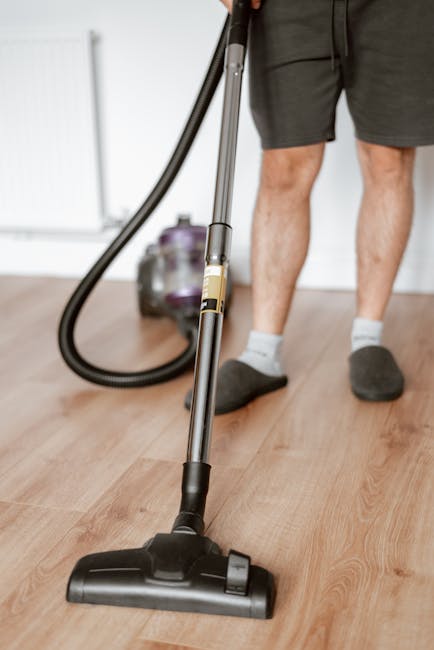
| Floors | Vacuum cleaner and mop | Keeps dirt from being spread around the property |
| Carpets | Professional deep-clean equipment or specialist service | Better for embedded dirt, traffic marks, and odours |
| Upholstery | Fabric-safe cleaning method | Reduces the risk of shrinking, ring marks, or colour change |
For many renters, the most practical decision is to focus DIY effort on cupboards, bathrooms, windows, and fixtures, then call in professional support for carpets or soft furnishings. The site's pricing and quotes page can help you think through what to book, while insurance and safety is a sensible read if you want to understand how the service approach protects your home and belongings.
If you care about sustainability, you might also appreciate the practical approach described on the recycling and sustainability page. Little choices matter during a move, especially when packaging, cleaning bottles, and waste all build up in one go.
Law, Compliance, Standards, or Best Practice
In the UK, end of tenancy cleaning usually sits under the tenancy agreement and the condition recorded at check-in and check-out. That means the important question is often not "Was it cleaned at some point?" but "Was it returned in a suitably clean condition, allowing for fair wear and tear?" The exact wording can vary, so the tenancy paperwork matters. A lot.
Best practice in this context usually means:
- matching the standard agreed in the tenancy or inventory documentation
- using cleaning methods suitable for the material
- avoiding damage caused by harsh chemicals or excess moisture
- documenting the state of the property with clear photos
- keeping receipts or notes if you use a professional cleaner
If the property includes a landlord's appliance, fixed carpet, or furnished items, the expectations may be stricter than in an unfurnished home. And if there are odour issues, mould concerns, or signs of neglect, the safest route is careful cleaning rather than guessing. The practical standard is simple: leave the home clean, dry, and ready for handover.
For service policies and customer protections, it can also help to review the company pages on terms and conditions, payment and security, and health and safety policy. These do not replace your tenancy agreement, but they do support a more transparent and trustworthy booking process.
Options, Methods, or Comparison Table
There is no single correct way to handle an end of tenancy clean. The right option depends on the property condition, available time, and whether you have specialist surfaces that need extra care.
| Approach | Best For | Pros | Watch Outs |
|---|---|---|---|
| Full DIY clean | Smaller, lightly used homes | Lowest cash cost, complete control | Time-consuming; easy to miss hidden areas |
| DIY plus carpet/fabric specialist | Homes with carpets, sofas, rugs, or curtains | Balanced cost and better finish on difficult surfaces | Needs good coordination and timing |
| Professional end of tenancy clean | Busy movers, furnished rentals, larger properties | Efficient, thorough, less hands-on stress | Higher upfront cost |
For many Harold Wood Park moves, the middle option is the sweet spot. You take care of the obvious daily surfaces, and book specialist work for the tasks that need equipment, experience, or a steadier hand. That tends to give the best outcome without paying for more than you need.
Case Study or Real-World Example
Here is a realistic example. A tenant leaving a two-bedroom flat near Harold Wood Park had already packed most of the home, but the final week exposed the real state of things: light grease on the hob, dust on the wardrobe tops, a faint smell in the lounge carpet, and a shower screen with stubborn water spots. Nothing dramatic, just the sort of details that quietly annoy an inventory clerk.
The tenant started with a room map. Kitchen first, then bathroom, bedrooms, lounge, and hallway last. The kitchen got a full degrease and appliance wipe-down. Bathrooms were descaled and polished. Bedrooms were dusted high to low. The carpeted lounge was vacuumed carefully, but the smell lingered a bit, so a specialist carpet treatment was arranged rather than hoping for the best. Much better outcome, honestly.
The key thing was not perfection. It was order. The property looked freshly reset because the clean followed a clear sequence, and the remaining issues were handled where DIY was not enough. That is usually the winning pattern for move-outs: do the accessible work yourself, then bring in help for the surfaces that need more than elbow grease.
Practical Checklist
Use this checklist as your final sweep before handover. It is intentionally simple, because the last thing you need on moving day is a complicated spreadsheet.
- Kitchen: hob, extractor, splashbacks, sink, taps, cupboard fronts, appliance exteriors, bin area
- Bathroom: toilet, sink, bath or shower, screen, tiles, taps, mirror, limescale spots
- Living areas: dust surfaces, skirting boards, switches, internal glass, shelves, sockets, furniture tops
- Bedrooms: wardrobes, drawers, bed frame, mattress surface, under-bed area, windowsills
- Floors: vacuum edges, mop hard floors, treat carpet marks where needed
- Soft furnishings: check sofas, rugs, curtains, and upholstery for stains or odours
- Hidden spots: behind doors, around radiators, under appliances, top of frames, corners
- Final checks: take bins out, remove remaining clutter, open curtains, switch on lights, inspect in daylight
Quick expert summary: clean top to bottom, dry to wet, and room by room. If a stain, smell, or fabric surface is still bothering you after that, it is usually better to treat the item properly than to keep scrubbing and hope. Hope is not a method, sadly.
Get a free quote today and see how much you can save.
Conclusion
End of tenancy cleaning near Harold Wood Park does not have to feel like a last-minute scramble. With a sensible cleaning map, a few good habits, and the willingness to separate simple tasks from specialist ones, you can leave the property looking properly cared for instead of merely rushed. That is the goal.
The biggest win is usually not one heroic deep-clean session. It is consistency: clean in the right order, check the details, and use professional help where it genuinely improves the finish. If you do that, the move-out process becomes calmer, the property feels more complete, and you give yourself a fair shot at a smooth handover. Nice and steady wins here.
And if you are right in the middle of packing right now, take a breath. You are probably further along than it feels.
Frequently Asked Questions
What does Harold Wood Park end of tenancy cleaning map and tips actually mean?
It means a practical room-by-room route for cleaning a rental property before moving out, with tips that help you cover the areas landlords and agents usually check most carefully.
Should I clean the whole property myself or hire a professional service?
It depends on the time you have, the condition of the home, and whether there are carpets, sofas, rugs, or stains that need specialist equipment. A mixed approach is often the most balanced.
What are the most commonly missed areas during move-out cleaning?
People often miss the tops of doors, skirting boards, behind radiators, inside cupboards, around extractor fans, and the edges of carpets or floors near furniture.
How early should I start end of tenancy cleaning?
Ideally, start once most belongings are packed and the rooms are clearer. Leaving it until the last hour makes it harder to do a proper job and increases stress.
Do carpets need professional cleaning at the end of a tenancy?
Not always, but if carpets are visibly marked, hold odours, or have heavy foot traffic, a professional deep clean can be a smart move. It often improves both appearance and smell.
Can I use one cleaner for the whole property?
You can use a general cleaner for many tasks, but kitchens, bathrooms, carpets, fabrics, and stains often need different products or methods. One product rarely does everything well.
What if there is pet smell in the property?
Tackle the source first, then clean soft furnishings, floors, and any affected fabrics. If the smell has settled into carpets or upholstery, specialist treatment is usually more effective than surface cleaning alone.
Is it worth cleaning upholstery before moving out?
Yes, if sofas, chairs, or mattresses are part of the tenancy and show visible marks or odour. Clean upholstery can make a room feel significantly fresher and more complete.
How do I know if I have cleaned enough for handover?
Use the inventory as your guide, then do a final inspection in good light. If the property looks clean at a glance and still feels fresh close up, you are probably in good shape.
What is the biggest mistake tenants make with end of tenancy cleaning?
The biggest mistake is cleaning randomly instead of following a sequence. That leads to missed spots, re-soiling, and a finish that looks patched together rather than properly done.
Can professional cleaning help with deposit disputes?
It can help by improving the property condition and giving you a receipt or record of work completed, but it does not replace the tenancy agreement or inventory evidence. Clear photos and communication still matter.
What should I check on the day of the final inspection?
Check the kitchen, bathroom, floors, soft furnishings, windowsills, light switches, and any hidden corners. Then look again in daylight if possible. It is amazing what daylight reveals.