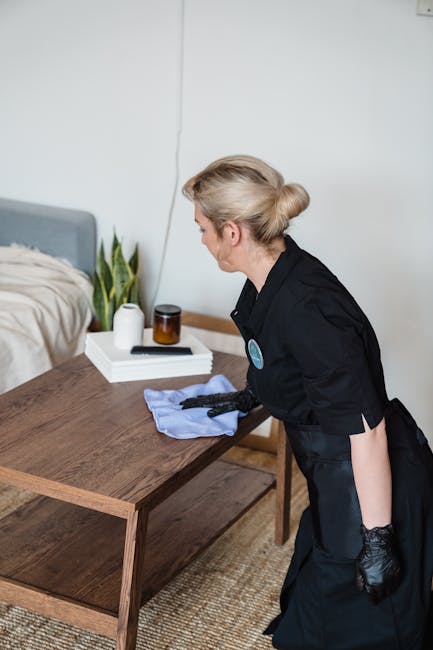
Avoid hidden cleaning fees in Harold Wood bookings

Nothing spoils the mood of a fresh booking quite like a surprise charge at the end. You think you have agreed one price, then a "deep clean supplement" or "stair surcharge" appears after the job is done. If you are trying to Avoid hidden cleaning fees in Harold Wood bookings, the trick is not just finding the cheapest quote. It is understanding what the quote actually includes, what might be added later, and how to ask the right questions before anyone turns up with a vacuum and a cheerful smile.
That matters whether you are booking a carpet refresh, sofa clean, end-of-tenancy clean, or a one-off stain treatment. In Harold Wood, as in the rest of London, good cleaning companies should be able to explain their pricing clearly. If they cannot, that is a sign to pause. This guide walks you through the common fee traps, how transparent pricing works, and the simple checks that save money and stress. Nothing flashy. Just the useful stuff that helps you book with confidence.
Why Avoid hidden cleaning fees in Harold Wood bookings Matters
Hidden fees are not just annoying. They can change the whole value of a booking. A quote that looked fair on screen can become expensive once extras are added for parking, heavy soiling, inaccessible rooms, furniture moving, deodorising, minimum call-out charges, or "specialist" treatment that was never clearly explained.
To be fair, some extra charges are legitimate. A cleaner may need to spend more time on a badly neglected carpet, or use specialist products for pet odour removal. The problem is not the extra work itself. It is when the cost is vague until the invoice lands. That is where trust gets damaged. And once trust goes, the booking usually does too.
In a local area like Harold Wood, most people want something straightforward: a clear price, a clear scope, and a result that looks and smells clean rather than just "done". You may be comparing several providers, trying to fit the job around work, school runs, or a move-out deadline. In that rush, it is easy to miss the small print. That small print is often where the surprise lives.
Expert summary: if you want to avoid hidden cleaning fees, focus on total cost, not headline cost. Ask what is included, what changes the price, and whether the quote is fixed or estimated. If a business answers plainly, that is usually a good sign.
How Avoid hidden cleaning fees in Harold Wood bookings Works
Most hidden-fee problems come from gaps between the initial enquiry and the final invoice. The cleaner may quote a base rate for a room, a sofa, or a carpeted area, then add charges later for things they say were not covered. Sometimes this is because the customer did not give enough detail. Sometimes it is because the quote was intentionally kept vague. Annoying either way.
The booking process usually follows a simple pattern:
- You request a price based on the job type, size, and condition.
- The cleaner gives a fixed price or an estimate.
- They may ask follow-up questions about stains, pets, access, parking, or furnishings.
- The work is carried out.
- The final bill should match the agreed scope, unless new work was genuinely needed and approved.
The important part is that the scope is clear before anyone starts. A proper quote should explain whether the price covers labour, cleaning products, equipment, travel, parking, VAT if applicable, and any add-ons. If these details are missing, the booking can still go ahead, but you are booking into uncertainty. And uncertainty is where fees hide.
Think of it like this: if a quote for upholstery cleaning sounds very low, it may only cover a light refresh on one standard-size item. If your sofa has pet hair, drink marks, and a few mystery stains from a school-night snack incident, the cleaner may treat it as a different job entirely. That is fair enough, but it should be explained up front.
Harold Wood customers often book a range of services, from carpet cleaning and sofa cleaning to upholstery cleaning and rug cleaning. Each one can have different pricing triggers, so a one-size quote rarely tells the full story.
Key Benefits and Practical Advantages
When you take time to check pricing properly, the benefits are immediate. You get more control, fewer awkward conversations on the day, and a better chance of comparing apples with apples. Not glamorous, perhaps, but extremely useful.
- Budget certainty: you know what you are likely to pay before the appointment.
- Less stress: no uncomfortable surprise when the job is complete.
- Better comparison: you can judge different providers on value, not just headline figures.
- Clearer expectations: both sides know what is being cleaned and what is not.
- Fewer disputes: written details reduce misunderstandings later.
There is also a quality benefit. Cleaners who are transparent about cost often tend to be more transparent about the service itself. They explain process, drying times, and limitations more clearly. That usually leads to better outcomes. A cheap quote with fuzzy wording can feel clever for about five minutes. Then the extras begin. Nobody enjoys that.
For landlords, tenants, letting agents, busy families, and small business owners, this matters in slightly different ways. A tenant may need to protect a deposit. A landlord may need a fast turnaround before new occupants arrive. A family may just want a clean lounge without paying a premium for every extra cushion. Same issue, different pressure.
Who This Is For and When It Makes Sense
This approach makes sense for almost anyone booking a cleaning service in Harold Wood, but it is especially useful if you are:
- booking a one-off deep clean and do not know what "standard" includes
- comparing quotes from several cleaning companies
- preparing a property for tenants, guests, or a sale
- dealing with stains, pets, odours, or heavy wear
- working to a fixed budget
- booking at short notice and feeling a bit rushed, which is when mistakes creep in
If your property is straightforward and the provider gives a fixed, itemised price, the risk is lower. But the moment the job becomes more complex-stairs, multiple rooms, delicate fabrics, stained rugs, or awkward access-you should expect more discussion. That is normal. In fact, it is a good thing. It means the quote is being matched to the actual job, not guessed from a distance.
Let's face it, most hidden-fee problems happen when people feel pressured to say yes too quickly. The booking sounds simple, the date is available, and you want the task out of your hair. That is exactly when you should slow down and ask one more question. Maybe two.
Step-by-Step Guidance
Here is a practical way to reduce the risk of hidden charges before you confirm any cleaning booking.
- Describe the job precisely. Say what needs cleaning, the number of rooms or items, and whether there are stains, pet issues, heavy soil, or access challenges.
- Ask whether the price is fixed or estimated. A fixed quote gives more certainty. An estimate may change if the job differs from what was described.
- Request a breakdown. Check whether the price includes labour, materials, equipment, travel, parking, VAT if relevant, and any minimum fee.
- Ask what counts as an extra. Stair cleaning, deep stain removal, moving furniture, or deodorising can all be priced separately. Best to know now.
- Confirm the condition standard. Some providers price on "lightly soiled", "moderately soiled", or "heavily soiled" conditions. Make sure your description matches theirs.
- Get the details in writing. Email, text, or a booking confirmation is enough in many cases. The point is to avoid memory-based pricing. Memory gets vague very quickly.
- Check cancellation or rescheduling terms. Not exactly a hidden cleaning fee, but it can bite if you change plans last minute.
- Review the final quote before paying a deposit. If something is unclear, ask again. A decent provider will not mind.
A small example helps. If you need a lounge carpet cleaned and there is one obvious stain from a spilled drink, mention it. Do not wait until the technician is standing in your hallway staring at it. The cleaner may need a specialist stain-removal step, and it is better to price that openly than argue about it later. Honestly, that conversation is much easier before the machine starts humming.
Expert Tips for Better Results
There are a few habits that make a real difference. None of them are complicated, which is why they are so easy to skip.
1. Use exact wording, not vague wording
Instead of saying "it just needs a clean", say what is actually there. Is it pet odour? Dust? Grease? Foot traffic on the hallway runner? The more specific you are, the easier it is to get an honest quote.
2. Ask for exclusions, not just inclusions
People often ask "what is included?" and stop there. Better to ask, "what is not included?" That question usually brings hidden extras into the light. It is a simple little move, but a strong one.
3. Watch for very low base prices
A low headline rate can still be fair, but if it seems far below everyone else, check the assumptions behind it. Sometimes the quote covers only the first item or the first room, then every additional area is charged separately. The number looks brilliant until it doesn't.
4. Confirm access and parking details
In parts of London, access can affect timing and cost. If there is limited parking, a controlled bay, or awkward carrying distance, mention it early. It may affect the quote, but at least it will do so honestly.
5. Keep a simple booking note
A few lines in your phone is enough: what was quoted, what it included, and who said it. You do not need a spreadsheet unless that is your thing. Most people do not need a spreadsheet. Some do. We salute them quietly.
If you are booking specialist fabric or textile work, it can help to read up on the service pages first, such as stain removal, pet stain and odour removal, or mattress cleaning. Knowing the service language makes price conversations much easier.
Common Mistakes to Avoid
Most hidden-fee problems come from a handful of predictable mistakes. Avoid these and you are already ahead of the game.
- Only asking for the cheapest price. Cheapest is not the same as best value.
- Not mentioning stains or pet issues. The job may be priced higher later if the provider discovers them on arrival.
- Assuming "all-inclusive" really means all-inclusive. Sometimes it does. Sometimes it really, really does not.
- Skipping the written confirmation. Verbal agreement is easy to misremember.
- Forgetting to ask about VAT or minimum charges. These can change the final total.
- Booking in a hurry without comparing terms. Time pressure is the enemy of clear pricing.
A common one in end-of-tenancy situations is assuming the quote covers everything the landlord or agent might expect. In reality, one company may include basic carpet cleaning, while another quotes separately for upholstery, curtains, or mattress treatment. If you are moving out soon, that sort of mismatch can get expensive fast. If you are planning a move, the guide on end-of-tenancy cleaning is a useful companion read.
Another little trap: people often forget to mention that a rug is large, delicate, or handmade. Then the cleaner arrives and says it needs specialist handling. Fair enough, but again, the surprise is what hurts. Say it early. Saves a lot of faff.
Tools, Resources and Recommendations
You do not need fancy tools to protect yourself from hidden cleaning fees. A calm process and a few practical habits usually do the job. Still, a couple of resources can help.
- Photos: take clear pictures of the areas or items you want cleaned. This helps confirm condition and scope.
- Room or item list: make a quick inventory so nothing is missed when quoting.
- Message thread or email: keep booking details in one place so you can refer back easily.
- Measure if needed: approximate room size, rug dimensions, or sofa type can help pricing accuracy.
- Service pages: review the specific treatment pages before requesting a quote, especially for carpets, upholstery, stains, or odour issues.
For example, if you are booking a larger domestic refresh, the pages on steam carpet cleaning and curtain cleaning can help you understand what each service usually involves. If it is a commercial space, commercial carpet cleaning is the more relevant reference point.
There is also a quiet advantage in checking a company's policy pages before booking. Things like pricing and quotes, terms and conditions, payment and security, and insurance and safety tell you a lot about how a business handles customer expectations. Not thrilling reading, admittedly. But useful.
Law, Compliance, Standards, or Best Practice
Pricing transparency is partly a legal and partly a best-practice issue. In the UK, customers should not be misled by pricing that hides unavoidable costs or leaves out important information. Businesses should present prices clearly enough that you can understand what you are agreeing to. In everyday terms, that means the quote should not be written in a way that creates an unfair surprise later.
That does not mean every possible variable must be fixed in stone before anyone sees the job. Cleaning work can change once technicians see the property. But a reputable business should explain how and why that might happen. The key is clarity, not pretending every home or office is identical.
Best practice usually includes:
- clear written quotes or confirmations
- plain language about extras and exclusions
- reasonable notice of any price change
- transparent cancellation and rescheduling terms
- safe working practices and suitable insurance cover
It is also sensible to check whether a company has its own published policies on complaints procedure, health and safety policy, and recycling and sustainability. These pages do not guarantee perfection, of course, but they do show that the business thinks about process, responsibility, and customer care. That counts for a lot.
For broader company background, about us can also help you understand who you are dealing with. In practice, that small check often tells you more than a glossy promise ever could.
Options, Methods, or Comparison Table
If you are comparing booking approaches, it helps to look at the trade-off between price certainty and flexibility. Here is a simple way to think about it.
| Booking approach | How it works | Pros | Watch-outs |
|---|---|---|---|
| Fixed quote | One agreed price for a clearly defined job | Easier budgeting, fewer surprises | May depend on accurate description |
| Estimated quote | Starting price that can change if conditions differ | Useful for uncertain or complex jobs | Can lead to extras if scope is unclear |
| Itemised pricing | Each room, item, or treatment is priced separately | Very transparent, easy to compare | Can look more expensive at first glance |
| Package pricing | Bundled services under one rate | Convenient for larger jobs | Check what the package leaves out |
In most cases, itemised pricing is the easiest way to avoid hidden cleaning fees because you can see what each part of the job costs. But if the property is simple and the business is clear about inclusions, a fixed quote can be just as good. The best option is usually the one that makes the final bill predictable without making the booking process painful.
Case Study or Real-World Example
A Harold Wood homeowner booked a carpet clean for a living room and hallway after a busy winter. The first quote looked appealing: a very neat single number, no fuss. Before confirming, they asked what that price included. Good move.
It turned out the quote covered standard cleaning only, with separate charges for heavy traffic areas and a pet-odour treatment in the hallway. The homeowner had a dog, and the hallway had that faint damp-wool smell you only really notice when the heating comes on. Not dramatic, just enough to matter. Because the extra treatment was discussed early, the final price was agreed before the appointment, and there were no awkward surprises.
Now imagine the same booking without those questions. The cleaner arrives, spots the issue, adds on the treatment, and the customer feels cornered. Same job. Same tools. Very different experience.
The takeaway is simple: the best savings often come from clarity, not haggling. A few extra minutes on the phone can save you a lot of annoyance later. Honestly, it is one of those boring-but-brilliant habits.
Practical Checklist
Use this checklist before you confirm any cleaning booking in Harold Wood.
- Have I described the job clearly, including stains, odours, pets, or wear?
- Is the price fixed, estimated, or itemised?
- Do I know exactly what is included in the quote?
- Have I asked what counts as an extra charge?
- Have I checked whether VAT, travel, parking, or minimum fees apply?
- Have I confirmed the cancellation or rescheduling terms?
- Is the agreement written down in email or message form?
- Have I compared at least two or three quotes on the same basis?
- Do I know how payment will be taken and when?
- Have I reviewed the company's policy pages if I want extra reassurance?
If you can tick most of those off, you are in a strong position. Not perfect, maybe, but strong enough to avoid the usual traps.
Get a free quote today and see how much you can save.
Conclusion
Hidden cleaning fees are frustrating because they chip away at trust before the job even starts. The good news is that they are easy to reduce once you know what to ask. Be clear about the job, insist on a written explanation of what is included, and pay attention to the small details that often get missed in a rush.
Whether you are booking carpet cleaning, upholstery work, stain treatment, or a full property refresh, the same principle applies: a good quote should feel clear, fair, and a bit boring, in the best possible way. No surprises. No last-minute add-ons. Just a clean result and a bill that makes sense.
That is really the goal, isn't it? A smooth booking, a decent finish, and the simple relief of knowing you made the right call.
Frequently Asked Questions
How do I spot hidden cleaning fees before booking?
Ask for a written quote that states what is included, what is excluded, and what could change the price. If the answer feels vague, keep asking until it is clear. A genuine provider should be able to explain the basics without fuss.
Are cleaning quotes in Harold Wood usually fixed or estimated?
Both happen. Fixed quotes offer more certainty, while estimated quotes can change if the property condition differs from what was described. The key is to know which one you are accepting before you book.
What extra charges are most common?
Common extras include heavy soiling, deep stain treatment, pet odour work, furniture moving, parking-related costs, and specialist fabric care. Not every business charges for the same things, so ask directly.
Should I mention stains and pet smells before booking?
Yes. Always. It gives the cleaner a fair picture of the job and reduces the risk of a price change on the day. It also helps them bring the right equipment, which is just sensible.
Is the cheapest quote always a bad sign?
Not always, but a very low quote should prompt questions. Sometimes the price is low because it covers only a basic level of service, with extras added later. Cheap can be fine. Hidden is the problem.
Can a cleaner change the price after arriving?
They can only reasonably do that if the actual job differs from what was agreed and the change is explained clearly. If the new charge was never mentioned and no new issue has appeared, that should be questioned.
What should be written in my booking confirmation?
At minimum, the service type, areas or items to be cleaned, the price or pricing method, any known extras, and payment terms. A short message or email is usually enough if it is clear.
Do I need to pay more for difficult access?
Sometimes, yes. If parking, stairs, distance from the van, or access restrictions make the job slower or harder, it may affect the quote. Mention access early so the price reflects reality, not guesswork.
How can I compare cleaning companies fairly?
Compare like with like. Make sure each provider is quoting for the same rooms, items, and conditions. A lower price means little if it leaves out half the job. That is the classic trap.
What if I feel a charge was added unfairly?
Ask for a clear explanation and refer back to the written agreement. If the issue is not resolved, use the company's complaints procedure. Keep messages and receipts together so the conversation stays factual, not fuzzy.
Do policy pages really help me avoid extra costs?
Yes, often they do. Pages like pricing, terms, payment, and complaints show how a business works. They may not answer every question, but they usually reveal whether the company is organised and transparent.
Is it worth reading service pages before I book?
Definitely. Service pages help you understand what is included in carpet, upholstery, rug, stain, or mattress cleaning. That makes it much easier to ask good questions and avoid paying for assumptions.
And if you are still weighing up your options, a little caution now is far better than an awkward invoice later. Take your time, ask plainly, and book with a clear head. That is often all it takes.